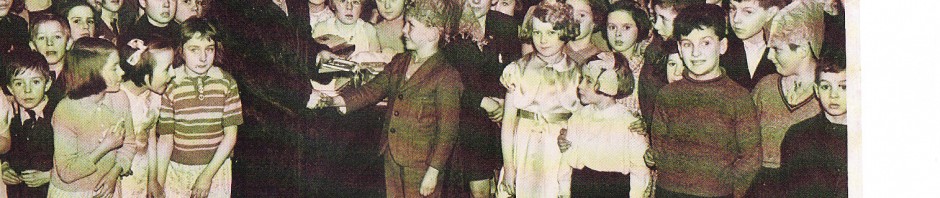
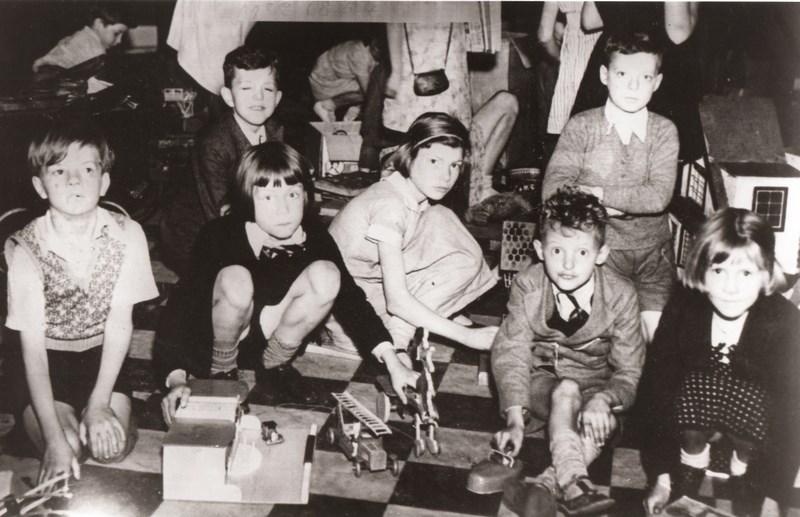
The Second World War Guernsey Evacuation to England, Scotland and Wales has been overlooked in many Second World War Histories. I am proud to announce that I have interviewed hundreds of evacuees and written a book for The History Press, to tell the story of these 17,000 overlooked people.
The Guernsey Evacuation story is history about real people who lived in our streets, went to our schools, and who helped Britain by undertaking vital war work when the threat of German invasion was very real. Many remained in the England after the war, and are now a permanent part of our community.
Luckily some of them are still amongst us and I am fortunate enough to be able to record these stories, share them with the public and preserve them for future generations to hear.
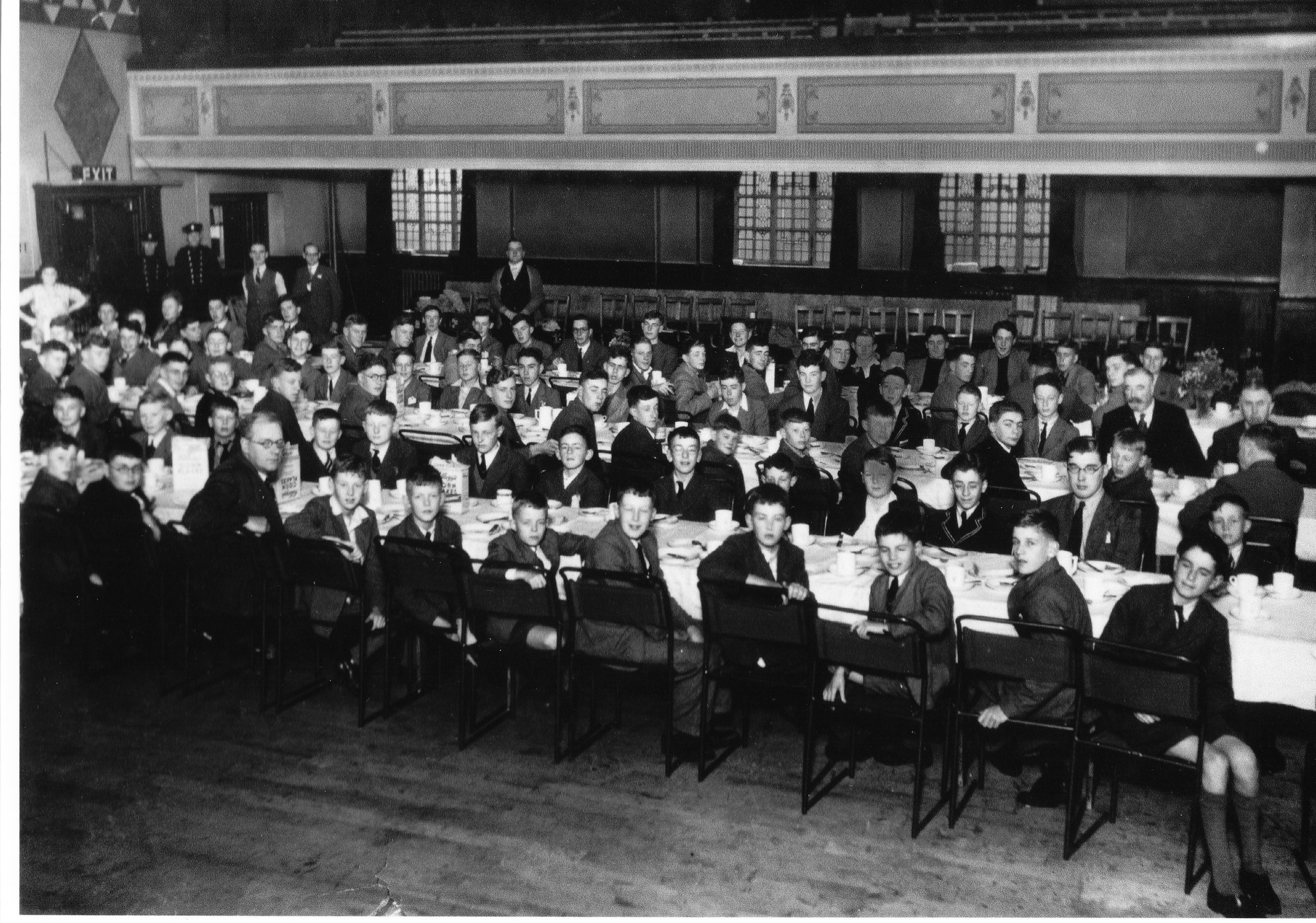
Since May 2008, I have been interviewing hundreds of children, teachers and mothers who fled Guernsey to mainland Britain in June 1940, just a few days prior to the German Occupation of the Channel Islands. The Channels Islands are part of British territory, and in June 1940, around 17,000 residents left their homes, and all of their possessions, behind. My research has concentrated on the many thousands that arrived in the industrial towns of Lancashire, Cheshire and Yorkshire. Hundreds then moved into Derbyshire, whilst others were scattered throughout the UK. Many travelled as far as Glasgow. The evacuees spent several weeks in Evacuee Reception Centres, before being provided with local accommodation.
Over 5,000 Guernsey children were evacuated with their Teachers, along with 500 Guernsey mothers who acted as ‘teachers helpers’. Most of the children did not see their parents again for five long years and some never returned home after the war. Some of the evacuated Guernsey Headteachers re-established their schools in England, in order to keep the pupils and teachers together throughout the war. A number of Guernsey families also escaped the island during the actual German occupation.
Guernsey people who had previously emigrated to Vancouver, Canada, raised funds for the Guernsey evacuees in England (click on my ‘Canada’ page) One Guernsey school in Cheshire, England, was supported by the Foster Parent Plan for Children Affected By War – the pupils were each ‘sponsored’ by wealthy American citizens, including Eleanor Roosevelt and a number of Hollywood film stars. I worked with the BBC on a short documentary on this Guernsey school:
see: my ‘Eleanor Roosevelt’ page on this website.
My interviews with evacuees, and document searches, have revealed emotional stories from both children and adult evacuees, regarding the actual evacuation, their five years on the British mainland, cut off from friends and family on Guernsey, and of their return to Guernsey in 1945. Sadly, many had difficulty bonding with their own families after such a long separation. I have worked with the BBC on several documentaries, and created a short evacuation film with Diane Rickerby of Bury Archives. I also run a community group for Guernsey evacuees in England, to enable them to share their stories with the community through school workshops, and museums. SEE MY COMMUNITY PROJECT PAGE FOR DETAILS
Watch a Pathe News clip of Channel Island evacuees getting together in June 1943 at Belle Vue stadium, Manchester here (scroll in 40 seconds to see the clip:-
https://www.britishpathe.com/video/brief-items-beware-other-item-share-this-title/query/belle+vue
I have been interviewing Second World War evacuees since 2008 and my latest book, Britain’s Wartime Evacuees, took 8 years of research. It includes testimony from Channel Island evacuees. You can find it at https://www.amazon.co.uk/gp/product/1848324413?ie=UTF8&camp=1634&creativeASIN=1848324413&linkCode=xm2&tag=guerevacoralh-21
Out now at £4.99 for the paperback; my latest book ”Rhymes and Remembrance: Poems written by Britain’s Second World War Evacuees’ The poems were written by evacuees from #Britain and from #Guernsey in the Channel Islands. A share of the profits are going to the RAF Metheringham Airfield Museum. The ebook will be available in a few days time. Huge thanks to Jon at Wolfian Press Publications
All of my history books (4 as at May 2019) can be viewed here:
https://www.amazon.co.uk/Gillian-Mawson/e/B008MWQ0IE/ref=dp_byline_cont_book_
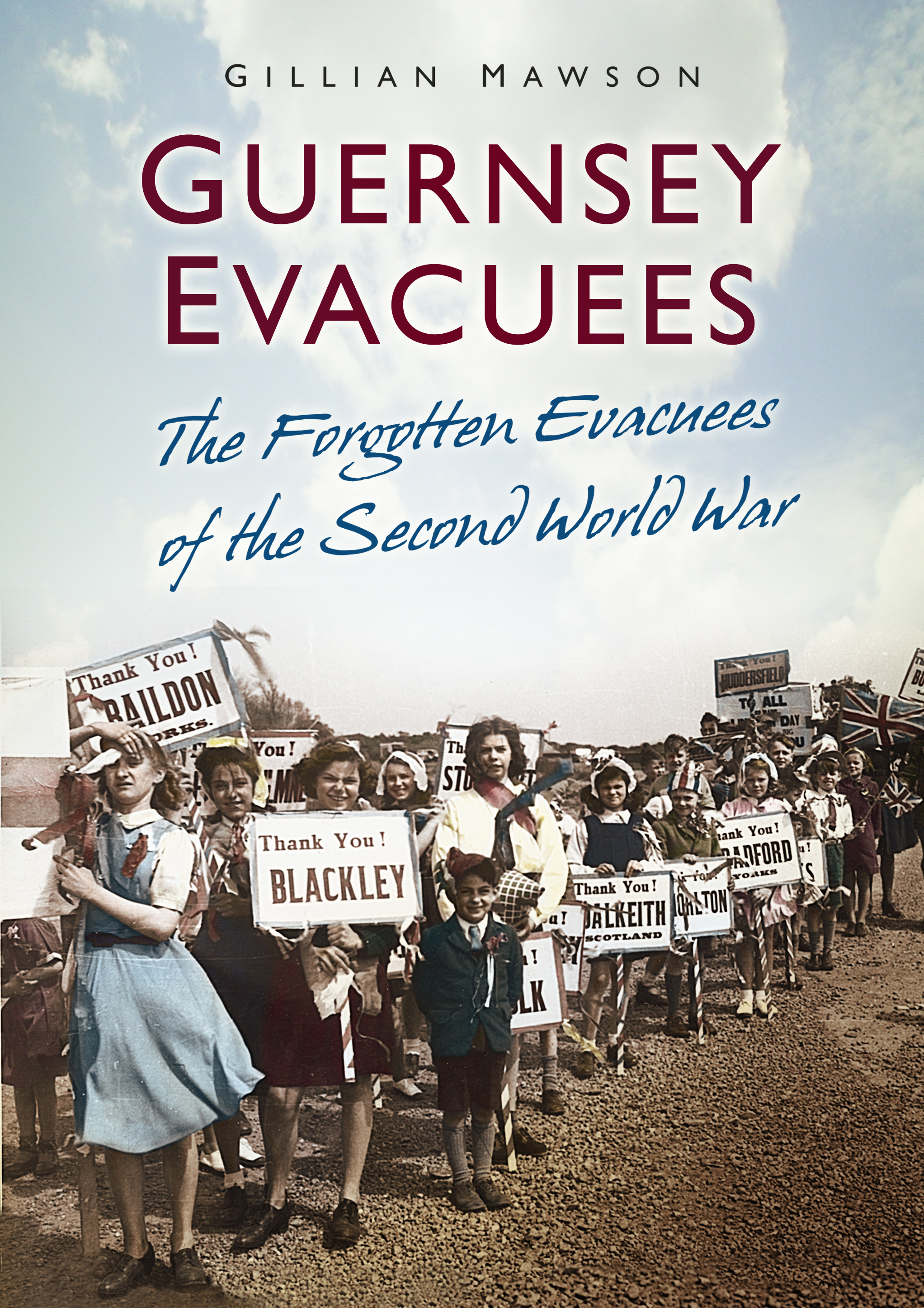
To order my book
‘Guernsey Evacuees: The Forgotten Evacuees go to:
You can view the short book trailer here https://www.youtube.com/watch?v=YR0uXCBCFHc&feature=youtu.be
MY LATEST (THIRD) BOOK WAS PUBLISHED IN DECEMBER 2016 AND INCLUDES EVACUEE STORIES FROM ENGLAND, NORTHERN IRELAND, WALES, SCOTLAND, THE CHANNEL ISLANDS AND GIBRALTAR
MY SECOND BOOK, WHICH CONTAINS 100 BRITISH EVACUATION STORIES (INCLUDING A HANDFUL FROM THE CHANNEL ISLANDS) WAS PUBLISHED ON 30 SEPTEMBER 30TH 2014 BY PEN AND SWORD BOOKS. PLEASE CLICK ON MY ‘BRITISH EVACUEES’ PAGE TO PREVIEW SOME OF THE STORIES AND FAMILY PHOTOGRAPHS. https://guernseyevacuees.wordpress.com/britains-evacuees/
YOU CAN VIEW MY EDUCATIONAL TIMELINE OF THE GUERNSEY EVACUATION, CREATED IN ASSOCIATION WITH HSTRY.ORG, HERE
You can contact me by filling in the ‘comment’ box at the foot of this webpage.
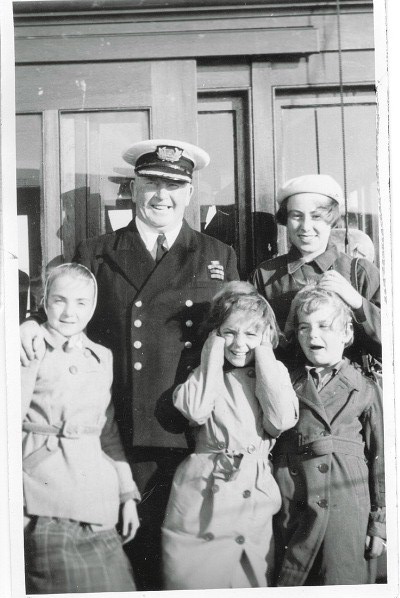
Are you one of these Guernsey children, evacuated on The Viking? Please contact me if so!
 Guernsey Evacuees Oral History
Pingback: The Oral History of the the Guernsey Evacuation of 1940 « The Oral History Noticeboard
Thanks for sharing this. I knew the original story and it is incredibly touching.
Thank you very much for your comment, Bill
My Mother, Maureen Howe (Nee Le Poidevin) I believe was on the last or one of the last boats from Guernsey. She was aged 5 and only with her mother Eunice Le Poidevin and a sewing machine!They never returned to Guernsey. She remembers quite a lot about it.Her brother left with school and they didnt see him for quite a while. Thanks Rachel Hargreaves
Hello Rachel thank you so much for your message. I would love to know more about your Mother’s story if that were possible? Please send me your email address through this ‘comments’ box which I will keep private. Gill
I have just begun to use Google+ specifically for my BOXALL (and variant) One Name Study and while setting up some connections with the Guild of One Name Studies I came across a small segment about your research on Julie Goucher’s circle and she forwarded your details. Here is my interest in your research.
My father, William Falla Lane(was Louvet), left Guernsey and joined the British Army. I don’t believe any of his Louvet siblings left. As William was old enough to join the Army I would imagine that his half siblings were much older and maybe had families of their own and may have had children evacuated. As you see I know very little about my father’s family for good reason. William returned to Guernsey with his common-law wife about 1954 after walking out on my Mum and five children. All I know about him is he was the last to be born after his mother’s husband, Alphonse Louvet, died. His father, as far as I have worked out, was William Thomas Falla. I would be really interested if you come across any of these names in your research. Thank you.
A big thank you for reminding us of this part of history that many either don’t know about or have never been heard of this occupation by the German Army.
Regards
Ronnie Mensch
HI Veronica, thank you so much for your story. Sadly I have not as yet come across the name Louvet, but if it crops up in the future, I will get in touch with you at once. Thank you for taking the time to contact me.
Gill 🙂
My mum knew some Louvets. I will ask Margaret.
thanks so much Liz 🙂 and give all of your family my love.
Hi Ronnie – I am related to the Louvet family through a cousin who married Peter Louvet and I understand he was a son of Alphonse. If you want more please email me. Regards Peter
My aunt by marriage (now deceased) went to England as an adult for the length of the occupation, the rest of the family stayed and while not evacuated were very much in touch with the “situation”.
I am so glad you are writng this book, the Nazi invasion of Jersey is so much a part of our family history.
I have to say that I had not realised so much about Guernsey and its involvement in the war until I read the book The Guernsey Literary and Potato peel Pie society. Although its a fictional story it did give some insight into Guernsey’s plight.
Thank for taking the time to send me your comment, yes the Guernsey Literary and Potato Peel book gives an insight into the plight of Guernsey, hopefully you will enjoy my book for its true stories too. There is also a list of further books to read at the end of the book. Gill
Hi thank you so much for your comment and you are right. I hope that anyone who enjoyed the WW2 aspect of that book will find mine most enjoyable.
Have you spoken to Ernie or George Sauvage – a whole family evacuated to Halifax
hi Stuart, I will email you now for more information, thank you so much. Gill
Gillian, I really admire you for undertaking such a massive project. The world needs more people like you, recording and saving our history.I wish you every success!
Thank you very much Debbie and I like your blog too at http://debbierobson.wordpress.com/
My best wishes to you!
Thank you Gillian.
I’m very excited for your book to come out. After reading the fictional book on Guernsey, it’ll be great to read real stories from actual evacuees!
Hello Amy, thank you for your message, it will be great to know that the story is out, after over four years of research. Gill 🙂
thanks Amy Gill
I am going to look for the book but was wondering if there were records kept of names on boats and where they came onto the main land.
My father and some of his family left guernsey
don’t know when but love to know
roy guilbert cowling was his name
thanks
mike cowling
hi Mike as far as I know the lists of names of those on the boats were destroyed when the Germans landed in Guernsey, so that they would not have personal information about which evacuees had left. I unfortunately have not come across the name Roy Guilbert Cowling either as yet. Can you give me his age and which area he lived in at the time in Guernsey?
What an intriguing and touching story. Thanks so much for doing this important research and for making it available to the world.
Thank you so much Ron.
Thank you so much Don, people should read about your valuable WW2 interview work out too, please send me the link via this page and I will post it for you. Gill
Thanks for this, Gill. I am going to add your book to a huge pile on my to-be-read list. I read the book, The Guernsey Literary and Potato Peel Society and was drawn to the plight of those people on the Channel Islands during WWII. Looking forward to the read. A similar but much less momentous story is of the boys from England who came to Ontario, specifically one to our farm through my Dad and another to his friend’s farm. These young English boys, really, needed a new start for various reasons, and got those starts here in Ontario. I just met the daughter on one of them in the musical I was in. She was in the orchestra and we both marveled about that whole concept of starting life in a new land and its ramifications. Don’t you just love people stories?
hi Elaine, thanks for your message and what a wonderful story about the english Boys in Canada! I agree that it is just wonderful to hear these people stories, they are timeless. The Guernsey evacuees have thanks to give to Canadian people as they raised thousands of dollars for them during the Second World War, as mentioned in book. I still need to find out more about their efforts but have made a start. Gill 🙂
Pingback: Wartime in the Derbyshire Snow « DERBYSHIRE LIVES THROUGH THE WORLD WARS
This book sounds like exactly the sort of book I will LOVE! I have long been intrigued by the experience of non-combatants in WWII. Will order this immediately!
Thank you very much for your kind comments Carolyn, I have read your blog and its great! Gill 🙂
So is yours! I had a little fun putting a sign on mine last night.
Thank you Gillian. A great site and a great job of keeping British history alive.
Thank you much Harvey and I hope that readers of this blog will check out your site too here:
harveyblackauthor.org
This is such a touching story, and living in England I have watched this on various programmes, but not in this detail. It was such a horrible time. My mother was in the Airforce and my dad in the Army back then and I heard many tales of children especially leaving home for five or more years. In fact my gran had at least six evacuee children staying with her. And in fact ten years ago one of them found her and got in touch! that was amazing. Great to see these haven’t been forgotten.
thanks so much for your comment, and I have emailed you. Gill
I knew a little girl from Guernsey in my class at school in Galashiels, Scotland . Her name was Margot Hubert, and I well remember her.
this is really impressive , well done for such a fantastic work and a massive project you have done i admire your courage and determination to !!!
Thank you very much for your kind comment, I have also looked at your blog which is so interesting, and I hope anyone who reads this message will do so too. Gill
your welcome !!!!! many thanks from groovy historian !!!
just seen a reply by peter guilbert to a ronnie and just wondered if i could contact peter re family…
my great grandparents were charles guilbert married to anna maria guilbert and a daughter named ellen h guilbert just wandering if we are realeted
thanks mike cowling
mikecjandsarah@googlemail.com
Hi Mike, I will email Peter’s email address to you now. Gill
Gillian, the story of your research in the latest Guernsey Society Review makes brilliant reading and I am so delighted to read it… your work has been fantastic and you deserve all the praise you receive !
I am sorry not to have been more help but my grand-mother, mother, brother and I stayed together pretty well throughout the evacuation. Prior to that, Peter and I were at the Froebel School in Guernsey and I presume they did not have an “evacuation club” like Elizabeth College & the Ladies College & others? If I’m wrong, do please let me know.
If you have seen Gary Blanchford’s new book “Guernsey’s Occupation Ambulance Service” my father is quoted on pages 50 & 51, but on page 216 you will see the Ford V8 Shooting Brake, unique to Guernsey, owned by the Froebel in which we were taken to school but which ended up as an ambulance…..
I see you were close to Joan Ozanne who was a one-time girlfriend of mine, but ended up married to another friend, George Foote with whom I walked to Elizabeth College every day for years as we lived fairly close. We are still in fairly regular contact with each other …..
Your work has been wonderful and you deserve the fame that has been awarded to you. Very best wishes, Michael Rose xxx
Hello Michael and thank you very much indeed for your kind message. I hae not seen the new book you mention but will certainly add it to my huge wish list of books. My very best wishes to you. Gill 🙂 (Ps I am just completing a new book on 100 British evacuation stories, you can read more about it on my other website: http://whaleybridgewriter.blogspot.co.uk/ My best wishes to you Michael. Gill 🙂
Hi Gill,I’m just about to order your book ,my late dad (Roy Perrio) and his whole family were evacuated but he never really spoke about what happened other family have told me bits so I look forward to reading it.
Hi David. I will email you in case I can help with information about your Dad. Gill
Hello, My mother Ena Fawkes age 6 and Uncle John Fawkes age 4 were evacuated from Guernsey back to England by way of a long train ride to an orphanage in Scotland. She would like
to know if anyone knew what ever happened to her fathers best friend that he left behind when he too had to leave. His friend had a French name but were not certain on the spelling sounds like
Mr Mot-e-aye.thanks
Hello and thank you for your comment. I hope someone will read it and be able to help you. I have no information on anyone with that name, but if I find anything in the future, I will contact you at once. Gill
Pingback: DISCOVER 100 EVACUATION STORIES FROM WW2 BRITAIN | EVACUEES IN BRITAIN DURING WORLD WAR TWO
Pingback: Interview with Gillian Mawson | A Lover of Books
My dad(Kenneth Howard) came over from Guernsey early in August 1940. My nana was told to leave the island quick because her and the children would be put into camp. Due to my grandad being in the army. They were one of the last families to leave the Island. Is there anymore reunions arranged my dad would love to attend. All his family stayed in stockport.
Hi Sharon there will be a number of Guernsey evacuees at my WW2 EVENT at St Marys Church. Market Place Stockport on Sat 8 November from 10 am to 1pm. Also should be an event of some kind in Guernsey in May 2015. If you send me your email address ill keep it private and send you details? Gill
Pingback: THE COVENTRY BLITZ AND EVACUEES | EVACUEES IN BRITAIN DURING WORLD WAR TWO
My father, Harold Lloyd Bougourd, at 17 years of age was wise beyond his years and left Guernsey, taking his English born mother with him. The rest of the family stayed and the mainland British born ones, their spouses and children were all taken to Biberach in Bavaria where they were interned for the duration of the war.
They were not mistreated but they were desperately short of food, medication and warm clothing. One aunt suffered permanent alopecia, one uncle lost both legs, one aunt suffered psychological problems and one cousin lost a lung. None of them were ever the same again after their return.
Dad was just short of 18 at the time and as soon as he reached that age, joined the army and went through the war in that capacity. In 1945 he married my mother in England before returning to Germany where he served as a Military Policeman. When I was about to appear on the scene, they applied for council housing and were told that “With a name like yours, you might be a German” so there was no hope of housing. Imagine the politically correct uproar that would cause now! It was a tough time and he never got back to Guernsey except for holidays.
Pingback: HOW THE FAITH OF GUERNSEY EVACUEES SUSTAINED THEM IN WARTIME ENGLAND | EVACUEES IN BRITAIN DURING WORLD WAR TWO
Hi Gill, I know barely anything of my family history but I do know that my father was evacuated from Guernsey at the age of two (approx) his name was Brian John Duquemin, his father was Douglas Alfred Duquemin and I believe his mothers name was Beatrice Irene Duquemin, i believe he also had a sister called Marina,Sadly he never returned home after the war and was raised in various children’s homes etc, Unfortunately he hardly ever spoke of his family or his childhood, I wonder if there is any information on his family that you could pass on to me. I look forward to a reply from you, yours thankfully , Brett Duquemin.
Pingback: How My Grandmother Risked Her Life in the Dockyards During World War II | Modern Scotsman
Pingback: GILLIAN MAWSON — UK Arts Directory
Pingback: Service in Stockport to mark ‘Return home’ of Channel Island evacuees in 1945 | EVACUEES IN BRITAIN DURING WORLD WAR TWO
My mother in law, Eileen Le Poidevin nee Mullet Told me her parents and herself left on the last boat out. This was a family joke as Eileen was late for everything. Her father was a builder and built lots of the bungalows around Cobo Bay. Originally they were from East Cowes, IOW, so they went to family there. Returning to Guernsey after the war and continuing the building business. Eileen then married William Le Poidevin who had stayed during the occupation .
Thank you for this information Kay, I have very little information on Channel Island evacuees who sent to the Isle of Wight. very best wishes to you. Gill
Hello, I’m glad to have stumbled upon your page on this Liberation Day! To my knowledge my Great Nan Marjorie Tostevin was evacuated from Guernsey during the Second World War. Unfortunately most older family members are no longer with us but I’m trying to find out more about her story. Would you know anything? Thank you for all the wonderful work you are doing.
Hi Fay sadly her name does not ring a bell with me. If it comes up in the future I’ll contact you. Enjoy Liberation Day! Gill ( ps have you read my books? Good background Info on the Guernsey evacuation in my 1st book, Guernsey Evacuees, and in my 3rd book, Britain’s Wartime Evacuees.)
I would like to know about the butt family, including Stan,Norman, gwen, Gordon, winnie, Ken, percy, olive,